Joint Developments
1.Real Estate: Joint Development Agreement (JDA) 🏘️ In real estate, a Joint Development Agreement (JDA) is a common contractual arrangement, particularly in India and other areas where land costs are high.
Parties: It involves a landowner and a real estate developer.
Roles:
The Landowner contributes their land for the project. The Developer undertakes all other responsibilities, including project planning, securing approvals, funding, construction, and marketing the developed property.
Consideration (The Share): Instead of the developer buying the land upfront, the landowner receives consideration in the form of a share in the project’s output, which can be:
Area-Sharing: A specific number or percentage of the completed developed units (e.g., apartments, commercial space).
Revenue-Sharing: A predetermined percentage of the gross sales revenue generated from the project. Benefits: It allows the landowner to monetize their asset without having to invest capital or possess development expertise, while the developer gains access to land without the initial significant capital outlay for purchase.
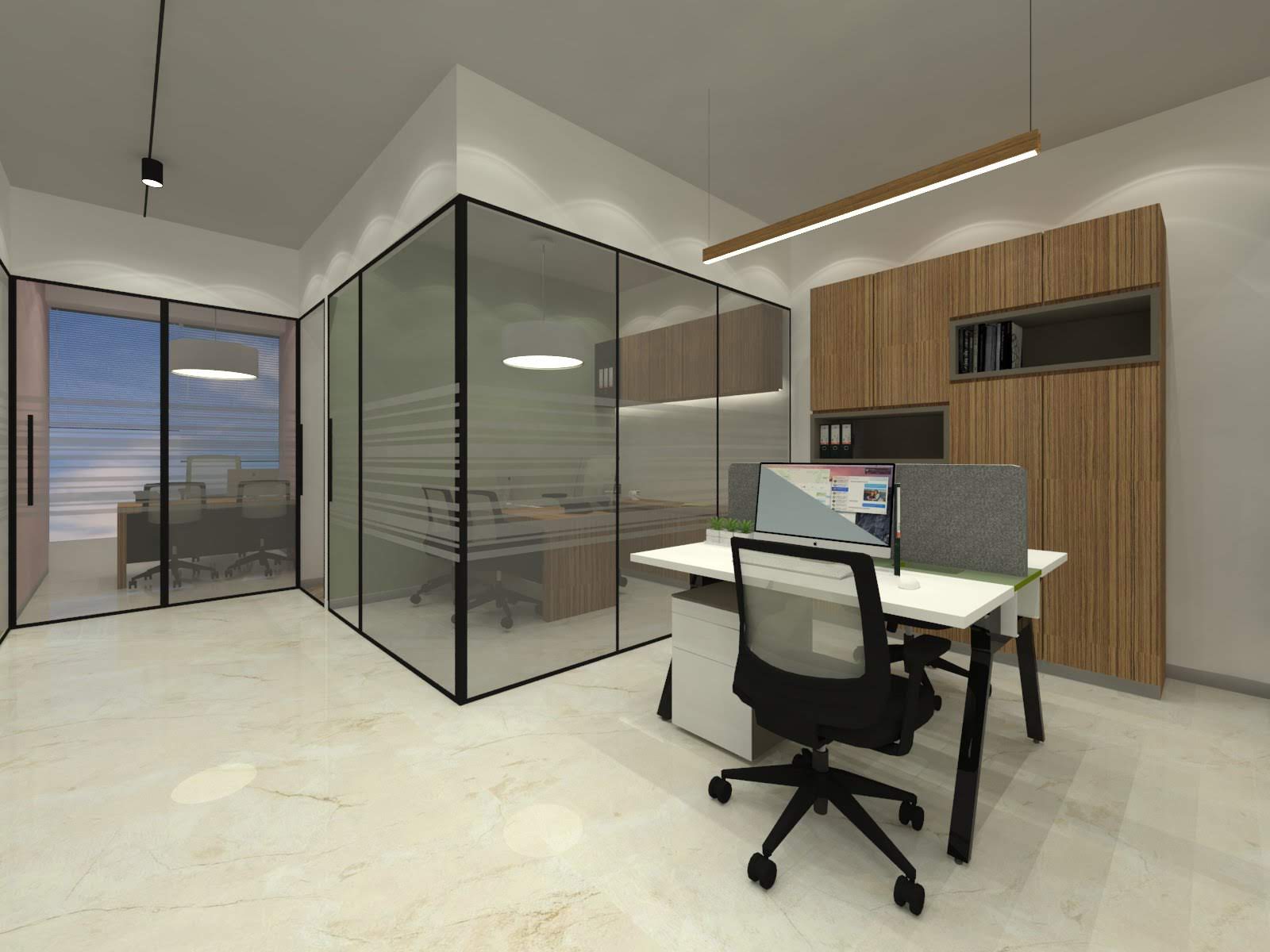
2.Business and Technology: Joint Development Project (JDP) 🤝 In the business, technology, or manufacturing sectors, joint development often refers to an agreement between companies to co-create a product, technology, or feature. This is sometimes related to a Joint Venture (JV). Purpose: To pool specialized knowledge, technology, resources, and R&D funds to bring a new product or service to market faster or to tackle a project too large or complex for one entity alone.
Key Elements: A Joint Development Agreement in this context typically outlines:
Each party’s contributions (capital, personnel, IP).
The project scope, milestones, and deliverables.
The ownership and licensing of the Intellectual Property (IP) created during the collaboration.
How costs, profits, and risks will be shared.