Plan Approval
Plan Approval in Construction
Plan Approval (or Building Plan Approval) is the mandatory legal authorization granted by a relevant local authority (like a municipal corporation or a development authority) for a proposed construction project. It ensures that the design, specifications, and structural components of a building comply with all local building codes, zoning regulations, and safety standards.
Building without this approval is generally considered illegal and can lead to penalties, fines, or even demolition.
PANCHAYATH, DTCP & CMDA of an Approval Plan
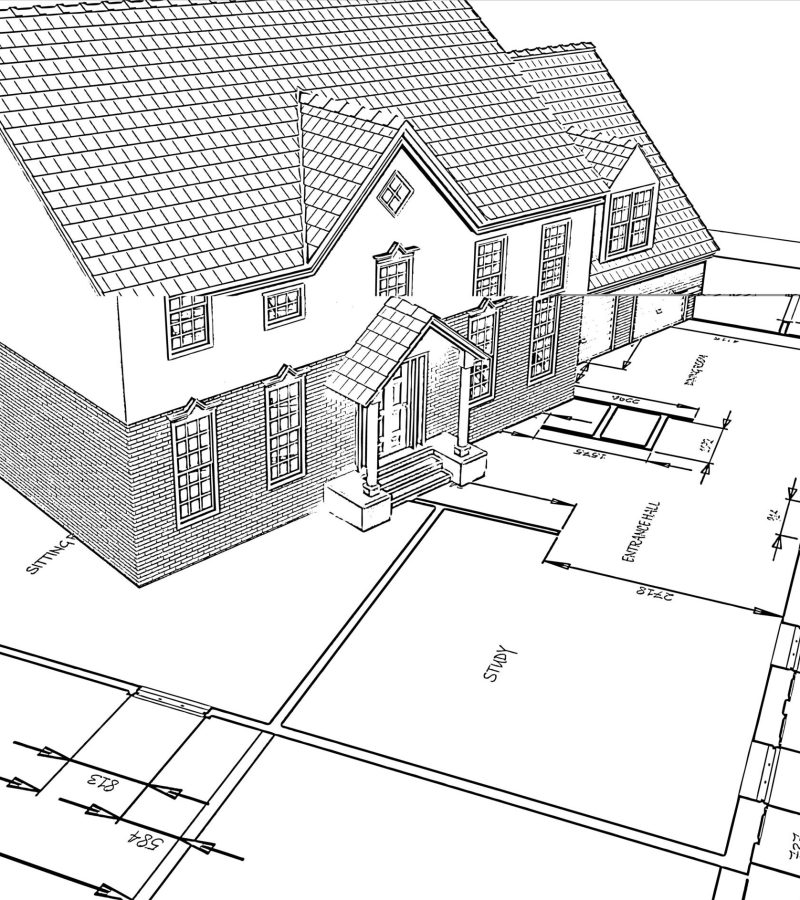
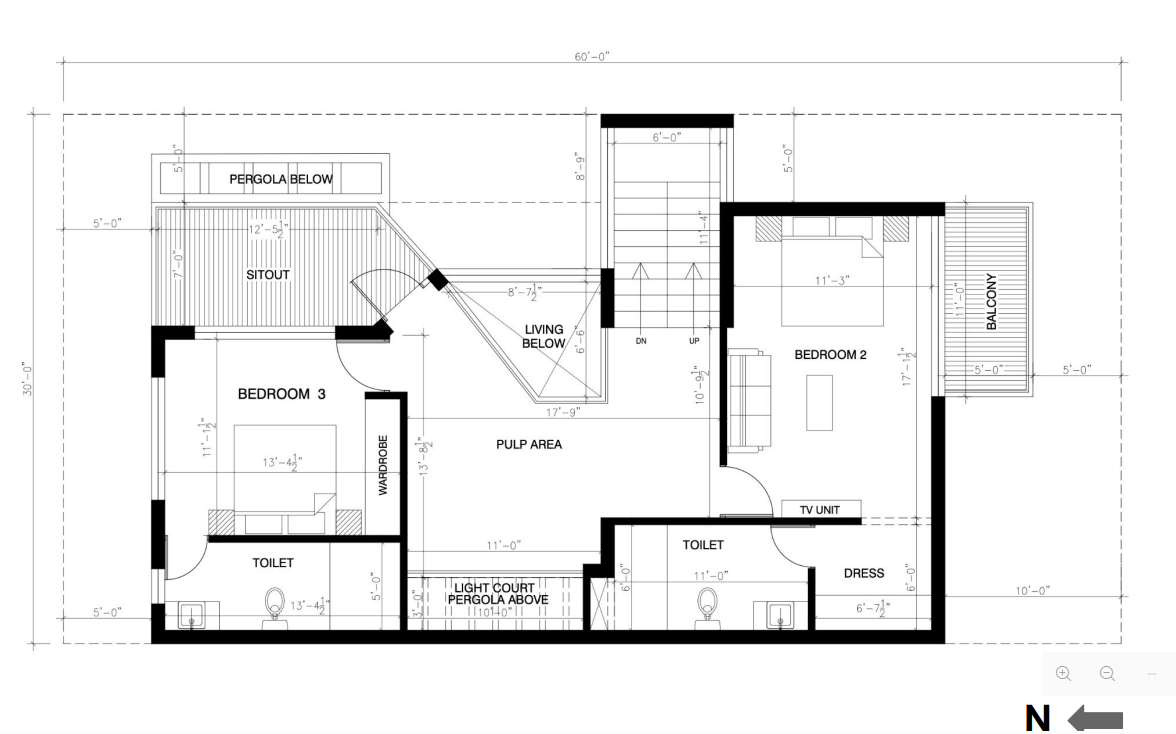
Building approval plans, often referred to as blueprints, are comprehensive documents that include several technical drawings and specifications prepared by a licensed architect or engineer. Key components typically include:
- Design Layouts: Floor plans, elevations (exterior views), and cross-sections.
- Structural Designs: Foundation layout and structural framework schematics to ensure stability.
- Site Configurations: Details on the building’s positioning, site boundaries, access points, and adherence to setback requirements (minimum open space around the building).
- MEP Systems: Layouts for Mechanical, Electrical, and Plumbing systems.
- Project Specifications: Detailed notes on materials and technical requirements.

General Approval Process
While the specific steps and required documents vary by location, the process for obtaining plan approval generally follows these stages:
- Engage a Professional: Hire a licensed architect or engineer to prepare detailed plans that comply with local regulations.
- Document Preparation: Gather all necessary legal and technical documents, such as property ownership proof (Sale Deed, Patta), Encumbrance Certificate, and various No Objection Certificates (NOCs) as required (e.g., from Fire Safety, Airport Authority, etc.).
- Application Submission: Submit the detailed plans and required documents to the relevant local authority, often through an online portal.
- Scrutiny and Site Inspection: The submitted plans are reviewed for compliance, and officials usually conduct a site inspection to verify details like boundaries and road access.
- Revisions and Modifications: If discrepancies or non-compliance issues are found, the applicant must revise the plans and resubmit them.
- Final Approval and Permit: Once compliant, the applicant pays the stipulated fees, and the authority issues the Building Permit (Planning Permit), allowing construction to legally commence.